Foundations of Oral Health Before Birth
Expectant parents shape future smiles by ensuring balanced prenatal nutrition, limiting tobacco, and reducing maternal stress. Adequate calcium, vitamin D, and folate support enamel formation, while avoiding excess sugar helps prevent early tooth decay risks. Healthy habits start prenatal care, building enamel s.!
Maternal Nutrition and Oral Health
Maternal nutrition profoundly influences the developing dentition of the fetus. Adequate intake of calcium, vitamin D, and phosphorus fortifies enamel matrix formation, reducing the risk of hypomineralization. Folate, essential for cellular proliferation, supports the integrity of the oral epithelium and underlying bone. Omega‑3 fatty acids, found in fatty fish and flaxseed, decrease inflammatory mediators that could compromise the oral cavity’s microenvironment. Antioxidants such as vitamins C and E neutralize free radicals, protecting the nascent enamel from oxidative damage. A balanced diet rich in whole grains, lean proteins, and fresh produce ensures a steady supply of these micronutrients. Conversely, excessive consumption of sugary beverages and processed foods elevates maternal blood glucose, creating a hyperglycemic milieu that can impair enamel mineralization and increase the likelihood of early childhood caries. Pregnant women should aim for 1,000 mg of calcium daily, 600 IU of vitamin D, and 600 µg of folic acid, adjusting for individual needs and medical advice. Hydration is equally critical; water intake of 2–2.5 L per day supports salivary flow and buffering capacity, which are vital for oral health. By prioritizing these dietary components, parents lay a biochemical foundation that promotes robust tooth development and long‑term oral hygiene resilience. These prenatal choices shape infant saliva, a buffer against bacterial acids. Regular maternal dental visits detect enamel defects, allowing timely interventions that protect the child’s oral health!!!!!

Infant Oral Care Practices
Clean newborn gums daily with a damp washcloth, removing milk residue. After first tooth, use a soft‑bristle baby brush with water or fluoride‑free paste. Swallowing a lost tooth is harmless; keep calm. Consistency builds lifelong habits. Daily gentle wipes keep plaque at bay now!
Cleaning Gums with a Damp Cloth
From the moment a baby is born, parents can lay the groundwork for a lifetime of healthy teeth by gently wiping the infant’s gums each day with a clean, damp washcloth; The practice, endorsed by pediatric dental experts, removes milk residue and early plaque, reducing the chance of bacterial buildup before the first tooth erupts. Use a fresh cloth each time, ensuring it is only moist—not soaking—so the infant’s delicate skin is not irritated. A light, circular motion across the gum line is sufficient; there is no need for force or a toothbrush until the first tooth appears. This simple routine is especially important during the first months, when the gums are most vulnerable to the sugars that can linger in breast milk or formula. By establishing this habit early, parents create a barrier against the bacteria that cause cavities, and they also model the importance of oral hygiene for the child’s future. Consistency is key: aim for a daily wipe, preferably after feeding and before bedtime, to keep the mouth clean and the gums healthy. Over time, this routine becomes a comforting part of the bedtime ritual, reinforcing the idea that caring for teeth starts before a tooth ever shows. Parents should also keep the washcloth clean, washing it after each use, and replace it regularly to avoid bacterial contamination. By integrating this gentle, daily practice, parents give their children a strong start toward a bright, cavity‑free smile.
In addition, parents can use a soft, infant‑friendly brush with no toothpaste until the first tooth emerges, simply rinsing it with water after each use. This dual approach—washcloth for gums, brush for teeth—ensures comprehensive care. It also allows parents to observe the baby’s oral development, noting any changes in gum color or texture that might signal the need for a pediatric dentist visit. By paying attention to these early cues, caregivers can intervene promptly, preventing the progression of early childhood caries. The damp cloth technique is a low‑risk, high‑benefit strategy that aligns with modern pediatric recommendations, emphasizing preventive care from the very first day of life.
Finally, parents should remember that the damp cloth is not a substitute for professional dental care. While it helps maintain oral cleanliness, routine check‑ups with a pediatric dentist remain essential. The dentist can assess the infant’s oral environment, provide fluoride guidance, and offer personalized advice tailored to the child’s growth. By combining daily damp‑cloth cleaning with scheduled professional visits, parents create a robust oral health foundation that supports healthy tooth development from birth onward.

First Tooth Appearance and Care
When the first tooth emerges, parents should immediately start brushing with a soft‑bristle infant brush and fluoride‑free toothpaste. Use a pea‑size amount, gentle circular motions, and rinse thoroughly. Consistent daily care prevents early decay and builds habits. Keep up!!
Timing and Immediate Brushing
As soon as a baby’s first tooth pokes through the gums—usually between 4 and 7 months—parents should begin brushing right away. Use a soft‑bristle infant brush and a smear of fluoride‑free toothpaste the size of a grain of rice. Gently swipe the bristles in small, circular motions across the enamel surface, then rinse the mouth with water. This immediate care removes plaque that forms within hours of eruption, reduces the risk of early decay, and establishes a routine that the child will carry into school years. Consistency is key: brush twice daily, after meals and before bedtime, to keep the new tooth protected and the oral environment healthy. By starting at the very first eruption, parents give their child a strong foundation for lifelong dental wellness. It is also helpful to monitor the tooth’s development; if the tooth appears unusually large or discolored, a pediatrician or dentist can assess for underlying issues. Parents should avoid sugary drinks or snacks immediately after brushing, as residual sugar can quickly foster bacterial growth. Additionally, teaching the child to spit out toothpaste rather than swallow encourages good habits early on. Over time, as the child grows, parents can transition to a fluoride‑containing paste and a larger brush, but the core practice of gentle, thorough cleaning remains the same. Maintaining this schedule helps prevent plaque buildup, protects the fragile enamel, and supports healthy jaw development. Regularly reviewing the child’s brushing technique with a dentist ensures that the method stays effective as the teeth erupt and the child’s coordination improves.

Brushing Techniques for Children
Use a soft‑bristle brush, a pea‑sized fluoride paste. Hold the brush at a 45° angle, move in gentle circles, cover all surfaces. Brush for 2 minutes, twice daily. Encourage the child to spit, not swallow. Praise progress to build habits. Use a timer or a song to ensure full coverage. Keep sessions fun. Every
Choosing the Right Toothbrush and Toothpaste
When selecting a toothbrush for your child, consider size, bristle softness, and handle ergonomics. A small, rounded head fits a child’s mouth comfortably, while soft bristles reduce enamel abrasion. For toddlers, a toy‑style brush with a short handle encourages self‑brushing; for older children, a standard child brush with a slightly larger head works well. The handle should be non‑slip and possibly with a rubberized coating, to prevent accidental drops. Look for a brush that is BPA‑free and meets the American Dental Association (ADA) seal of approval, ensuring safety and effectiveness. When choosing toothpaste, start with a fluoride concentration of 0.05% (500 ppm) for children under three, and 0.1% (1,000 ppm) for those older than three. Fluoride is the most proven agent for preventing cavities, strengthening enamel, and reducing bacterial activity. Avoid fluoride‑free options unless advised by a dentist. For children with a preference for flavored toothpaste, choose natural flavors such as mint or fruit, but avoid artificial sweeteners that can contribute to dental erosion. The toothpaste should be a pea‑sized amount for children under five, and a smear‑sized amount for older kids. If your child has difficulty spitting, consider a fluoride‑free gel or a toothpaste with a lower concentration, and supervise brushing until they can spit properly. Additionally, look for a toothpaste that contains a mild abrasive (e.g., calcium carbonate) to help remove plaque without damaging the developing enamel. Finally, involve your child in the selection process: let them choose a toothbrush with their favorite character or color, and explain how the right tools help keep their smile bright and healthy. Regularly replace the toothbrush every three to four months or sooner if the bristles become frayed, and keep the brush dry to prevent bacterial growth. By combining the right brush design with an appropriately formulated toothpaste, you give your child a solid foundation for lifelong oral hygiene. Parents should also monitor their child’s brushing technique, ensuring they reach all tooth surfaces, and encourage a balanced diet low in sugary snacks to support oral health. Regular dental check‑ups complement daily care, allowing early detection of issues and reinforcing good habits. With consistent practice, children develop confidence in their oral care routine, setting the stage for healthy smiles throughout life. Enjoy! Smile.

Flossing removes plaque between teeth where brushes miss. Start at age two when baby teeth erupt, using a child‑size floss or floss picks. Gently slide floss beneath gums, forming a C‑shape around each tooth. Regular flossing reduces cavities and gum disease. and keeps gums healthy. Parents should floss daily, always.!
When and How to Start Flossing

Parents should begin flossing once the first primary tooth erupts, typically around 12–18 months. Even before the first tooth, a soft, damp cloth can clean interdental spaces. Once teeth appear, use a child‑size floss or floss pick to gently slide between each tooth, forming a C‑shape around the tooth and moving the floss up and down. Avoid snapping or forcing the floss, which can damage delicate gum tissue. For toddlers, parents can demonstrate the motion and gradually let the child practice under supervision. By age three, children can start flossing with guidance, and by five, they should be able to floss independently. Consistency is key: flossing once daily, preferably before bedtime, helps remove plaque that brushing alone may miss. Parents should also monitor for signs of gum irritation, adjust technique, and reinforce the habit with positive reinforcement. Regular dental check‑ups will confirm proper flossing technique and catch early signs of decay or gum disease. This routine, combined with a balanced diet and fluoride use, supports lifelong oral health. Parents can track progress by keeping a simple flossing log, noting each child’s daily flossing date and any issues encountered. This habit not only reduces the risk of cavities but also teaches responsibility and self‑care, values that extend beyond oral health. By integrating flossing into bedtime routines, children develop a sense of routine and ownership over their dental hygiene. Consistent flossing, paired with regular dental visits, creates a strong foundation for healthy teeth that can last a lifetime daily. everyday.!
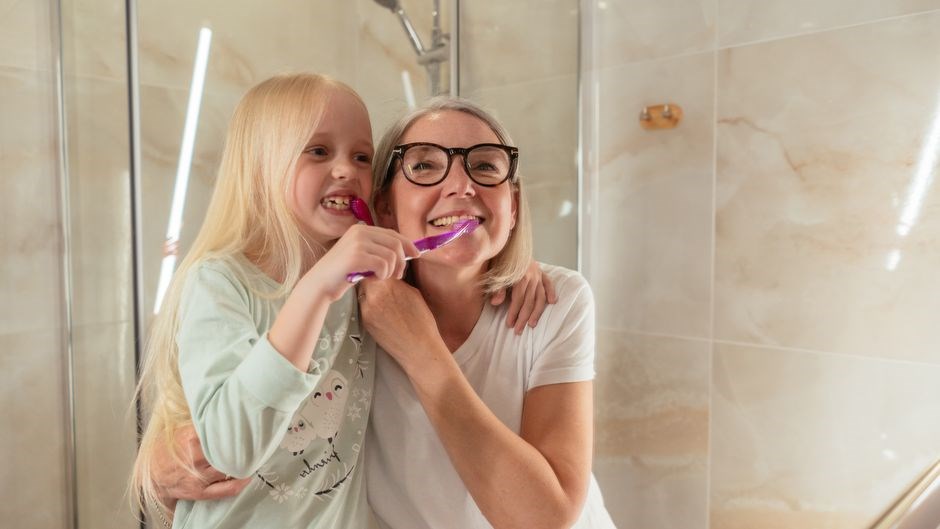
Diet, Fluoride, and Cavities Prevention
Limit sugary snacks, use fluoride toothpaste, and encourage water over soda. Regular meals reduce acid attacks, while calcium‑rich foods strengthen enamel. Schedule dental visits every six months to detect early decay and apply sealants. Floss daily for best results!

Limiting Sugary Snacks and Using Fluoride
Parents can shield young teeth by curbing sugary treats, favoring water, and encouraging nutrient‑dense foods. A single candy or soda can dissolve enamel within minutes, creating cavities. Replace these with fruit, cheese, or yogurt, which raise saliva flow and neutralize acids. Fluoride toothpaste, applied in a pea‑sized amount, coats enamel and promotes remineralization. Use a soft‑bristled brush twice daily, and supervise children until they master proper technique. After meals, rinse with water to wash away residual sugars. For toddlers, a fluoride‑enriched mouthwash can be introduced under supervision once the first tooth erupts. Regular dental check‑ups allow professionals to apply topical fluoride varnish, providing an extra protective layer. Together, limiting sweet snacks and consistent fluoride use form a powerful defense against early decay.
- Choose whole‑grain cereals over sugary breakfast bars.
- Offer water after snacks to dilute acids.
- Use a straw to reduce sugar contact with teeth.
- Set a consistent snack schedule to avoid frequent exposure.
- Teach children to read nutrition labels for hidden sugars.
- Encourage chewing sugar‑free gum to boost saliva.
Remember fluoride varnish is effective when applied at 6‑month intervals, especially for children with caries. Parents should also monitor the fluoride concentration in tap water and adjust if necessary. By combining dietary vigilance with regular fluoride applications, families can create a robust barrier against tooth decay.!!!??

Dental Visits and Professional Care
Schedule the first dental visit by six months after birth. Early exams detect developmental issues and allow fluoride varnish. Regular check‑ups every six months help maintain healthy gums and teeth. Parents should bring a list of medications and dietary habits for comprehensive care. rines reduce plaque. daily!
Scheduling the First Check-up and Regular Exams
Parents should book a dental appointment for their child within the first six months after birth, ideally before the first tooth erupts. Early visits allow the dentist to examine oral structures, assess growth patterns, and apply preventive measures such as fluoride varnish or sealants. Scheduling at this stage also gives parents a chance to discuss nutrition, oral hygiene routines, and any family history of dental issues. When preparing for the appointment, bring a list of the child’s medications, recent illnesses, and a record of developmental milestones. If the child has a history of teething discomfort or early tooth loss, inform the dentist so they can tailor care accordingly. Insurance coverage often requires a preventive visit within the first year, and many pediatric practices offer flexible scheduling to accommodate newborns and infants. During the exam, the dentist will clean the mouth, check for cavities, and provide guidance on brushing techniques suitable for the child’s age. Follow-up appointments are typically recommended every six months, or sooner if a problem is detected. Consistent visits help establish a routine, reinforce good habits, and catch early signs of decay or misalignment before they become more serious. By maintaining a regular schedule, parents can ensure their child’s oral health develops in harmony with overall growth, setting the foundation for a lifetime of healthy smiles. Parents should also keep a detailed oral health diary, noting feeding times, brushing habits, and any signs of discomfort, as this record assists the dentist in tailoring preventive strategies and monitoring growth trends over time daily